AI health and fitness
AI coaching that speaks the studio's own language.
I built MintFit from the coach workflow outward, connecting assessments, client history, program design, and retrieval-augmented AI to the studio's own Thrive50+ methodology.
Technology
Generic fitness language made good output unusable
Coaches serving adults over 50 combined injury history, movement quality, assessments, previous programs, and a specialised exercise vocabulary when designing each plan.
The first AI plans were technically sound but coaches did not use them because generic exercise names ignored 15 years of studio shorthand and programming conventions.
Built the coaching platform end to end
I built the coach workspace, schema-driven assessments, AI program generator, client-aware assistant, retrieval layer, and managed AWS backend.
The product kept the coach in control: AI generated a structured first draft, while a fast editing and drag-and-drop layer made review easier than starting from an empty plan.
Product screens
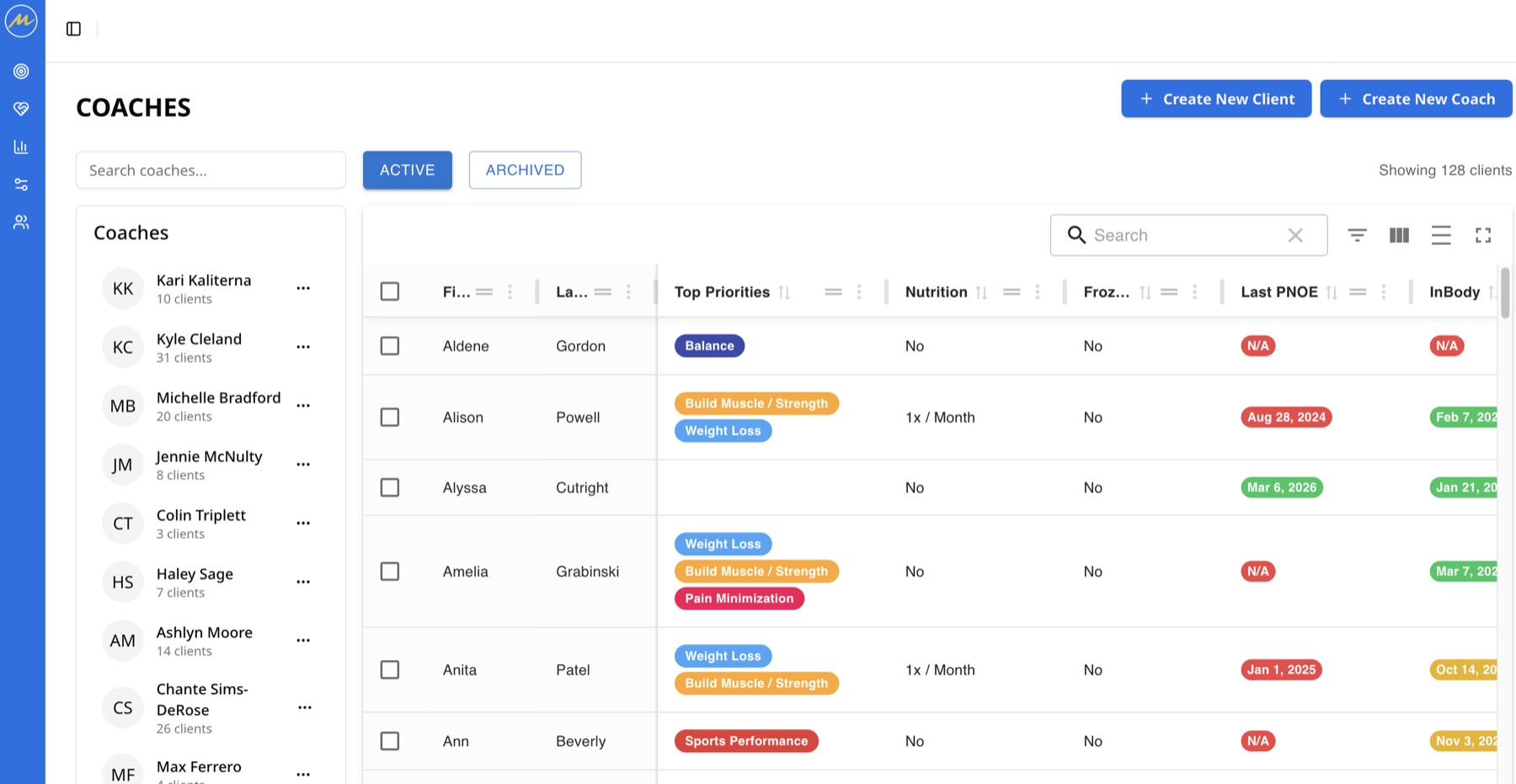
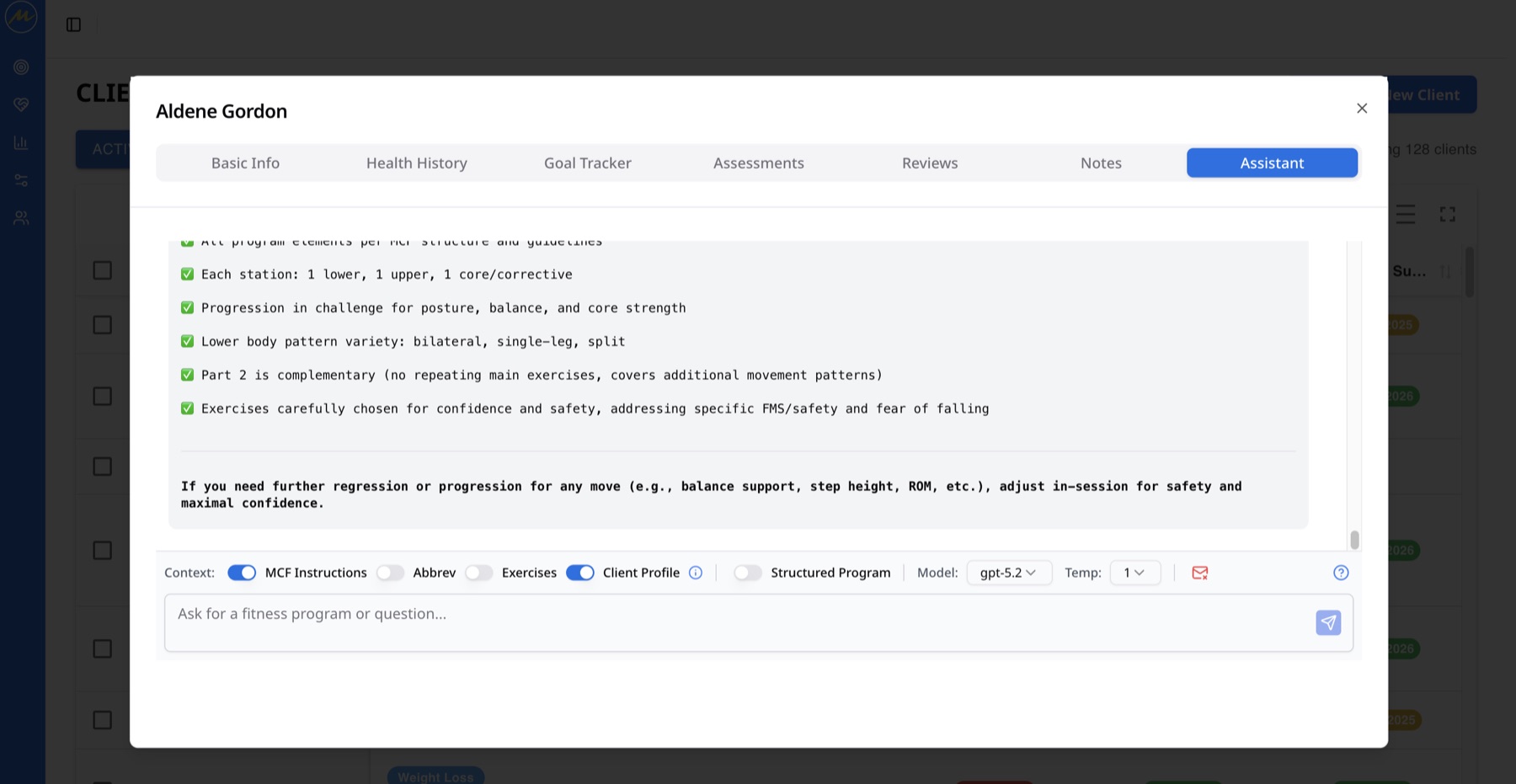
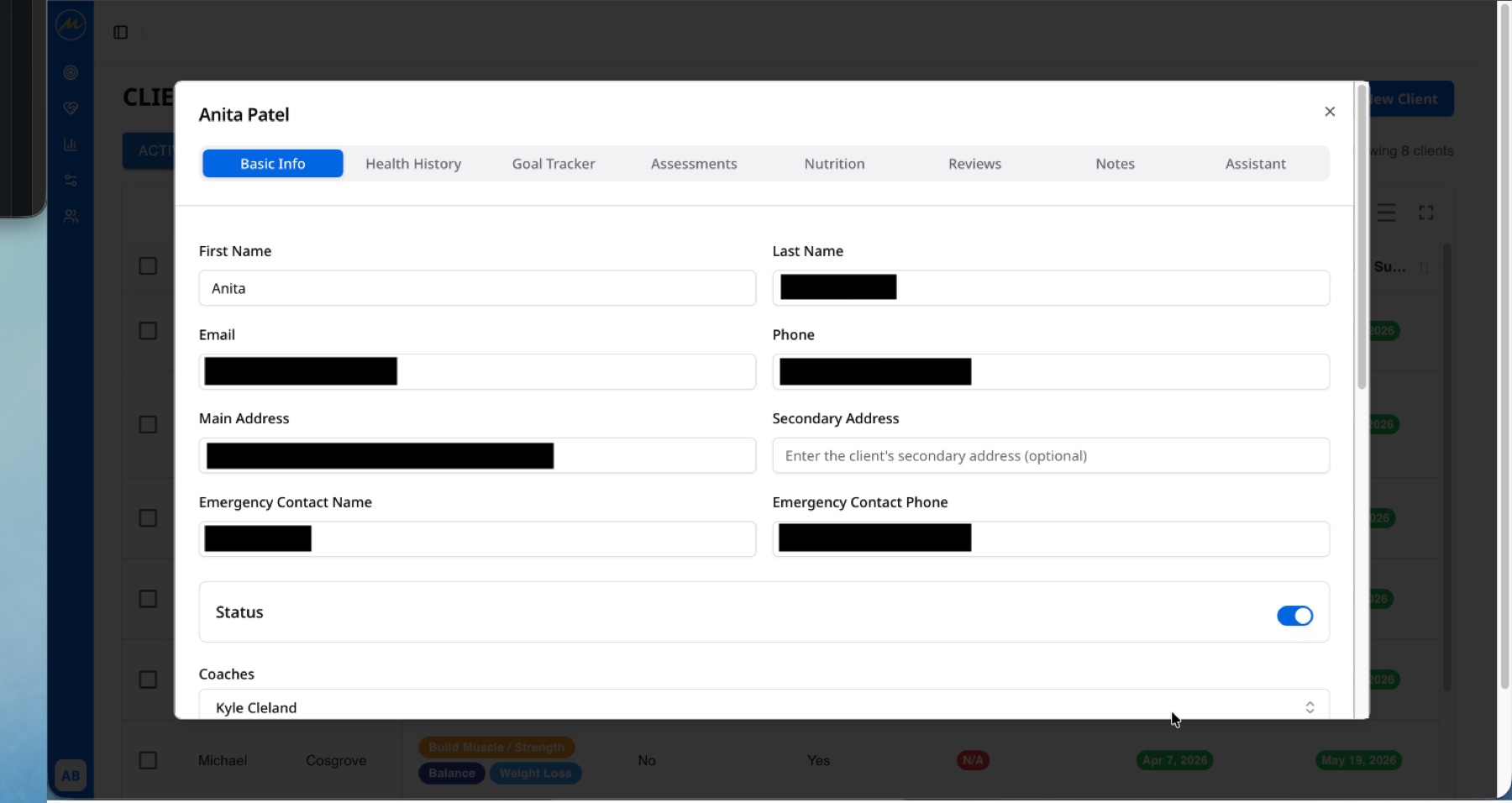
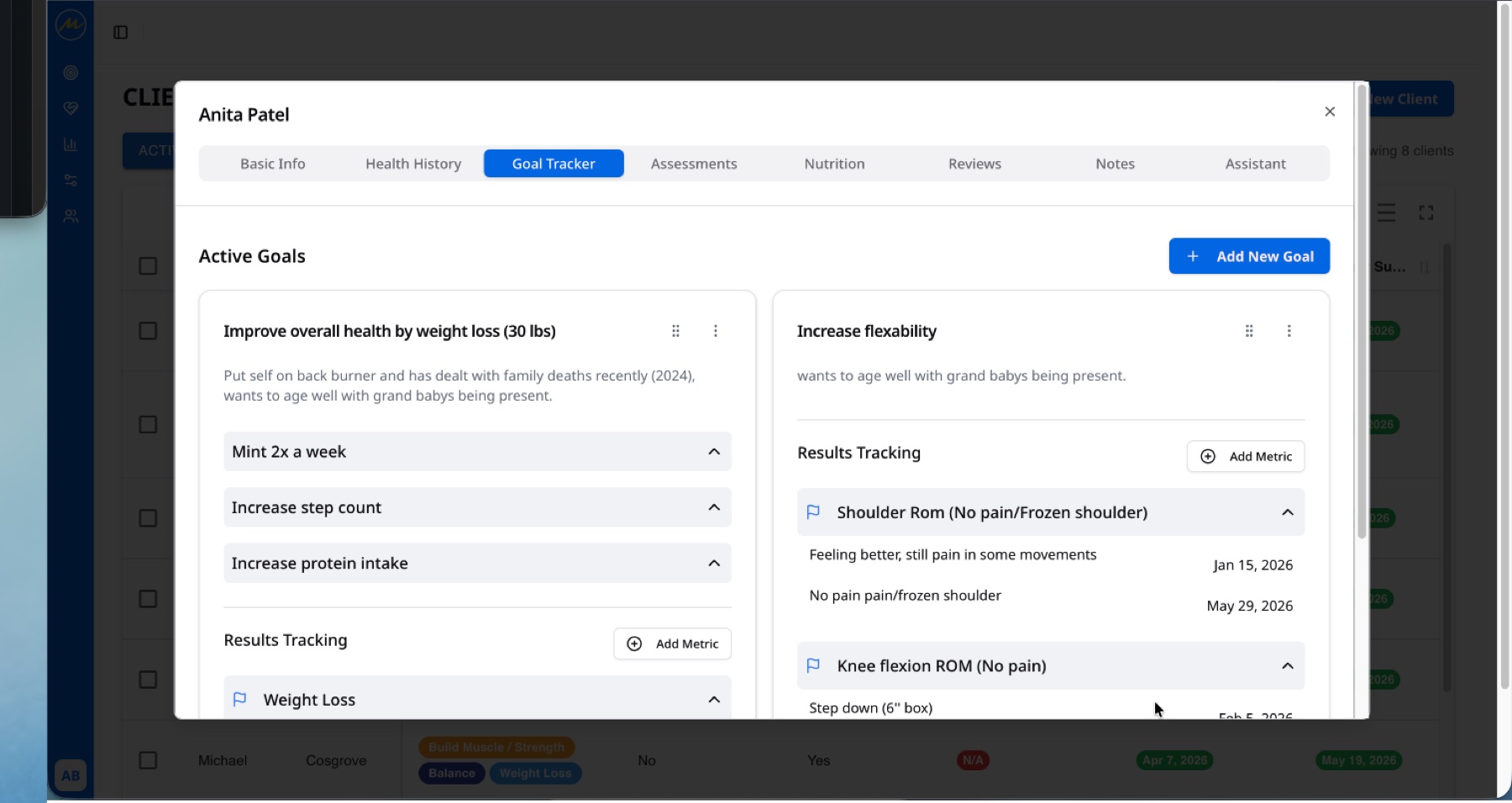
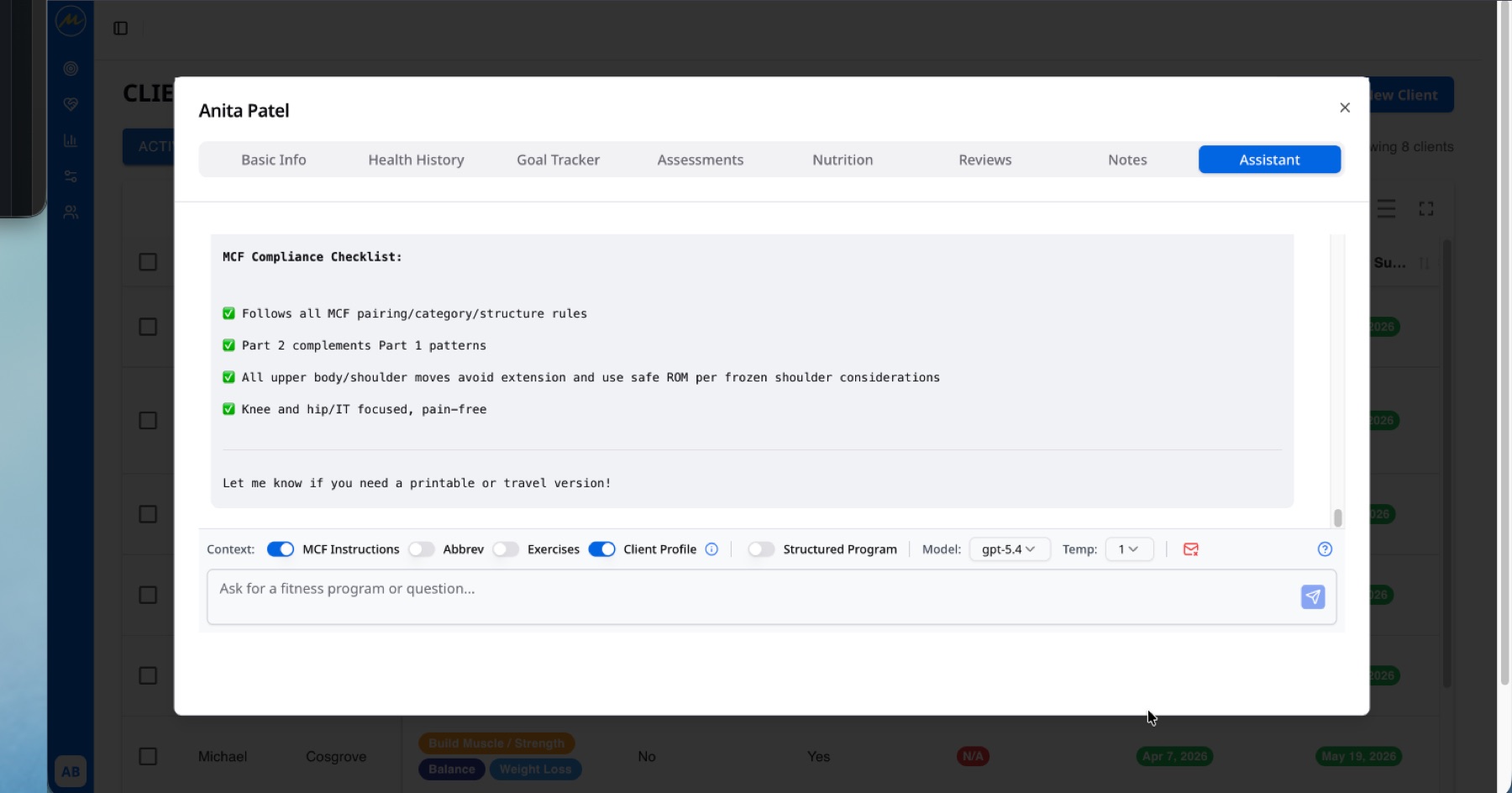
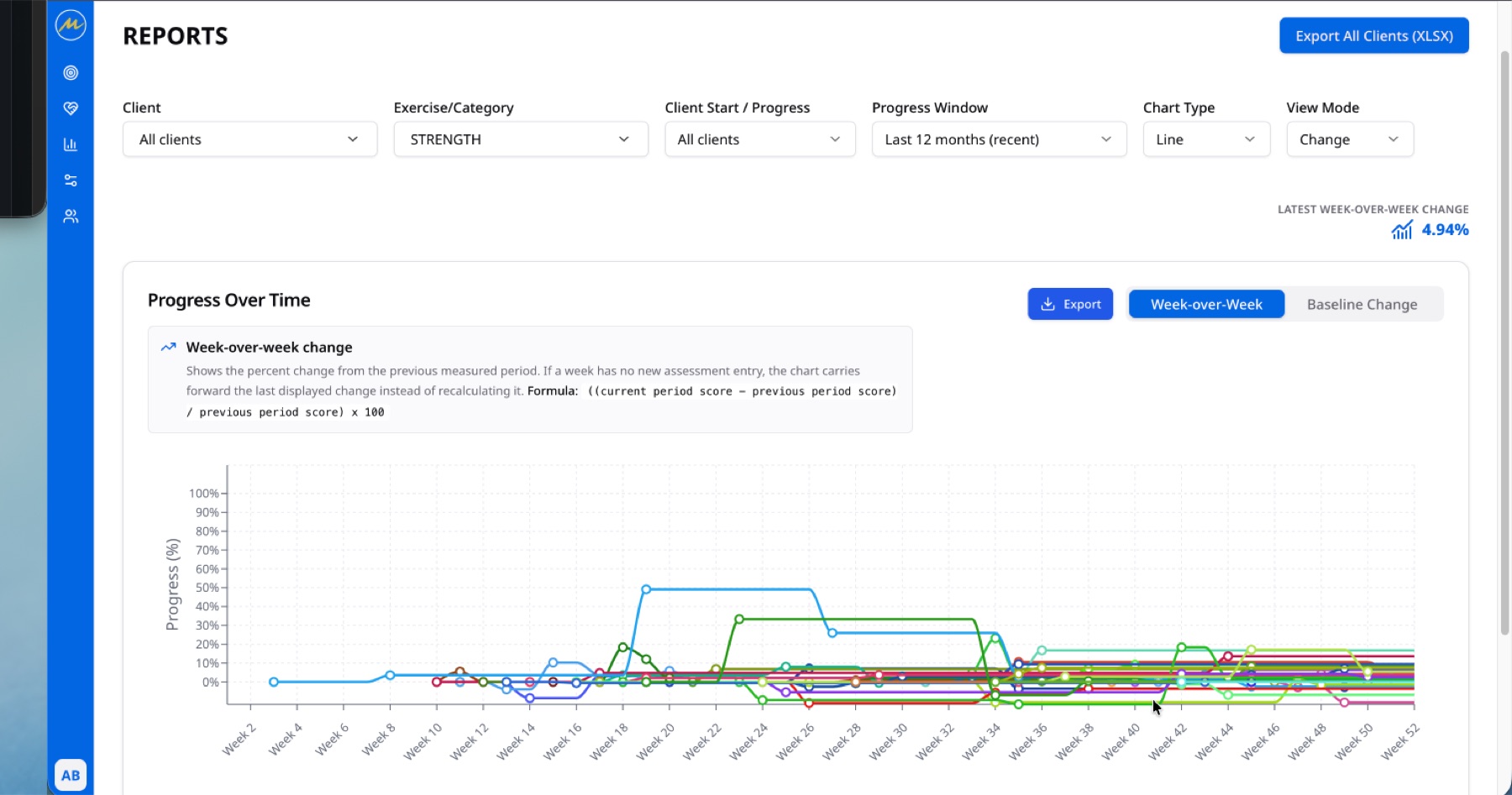
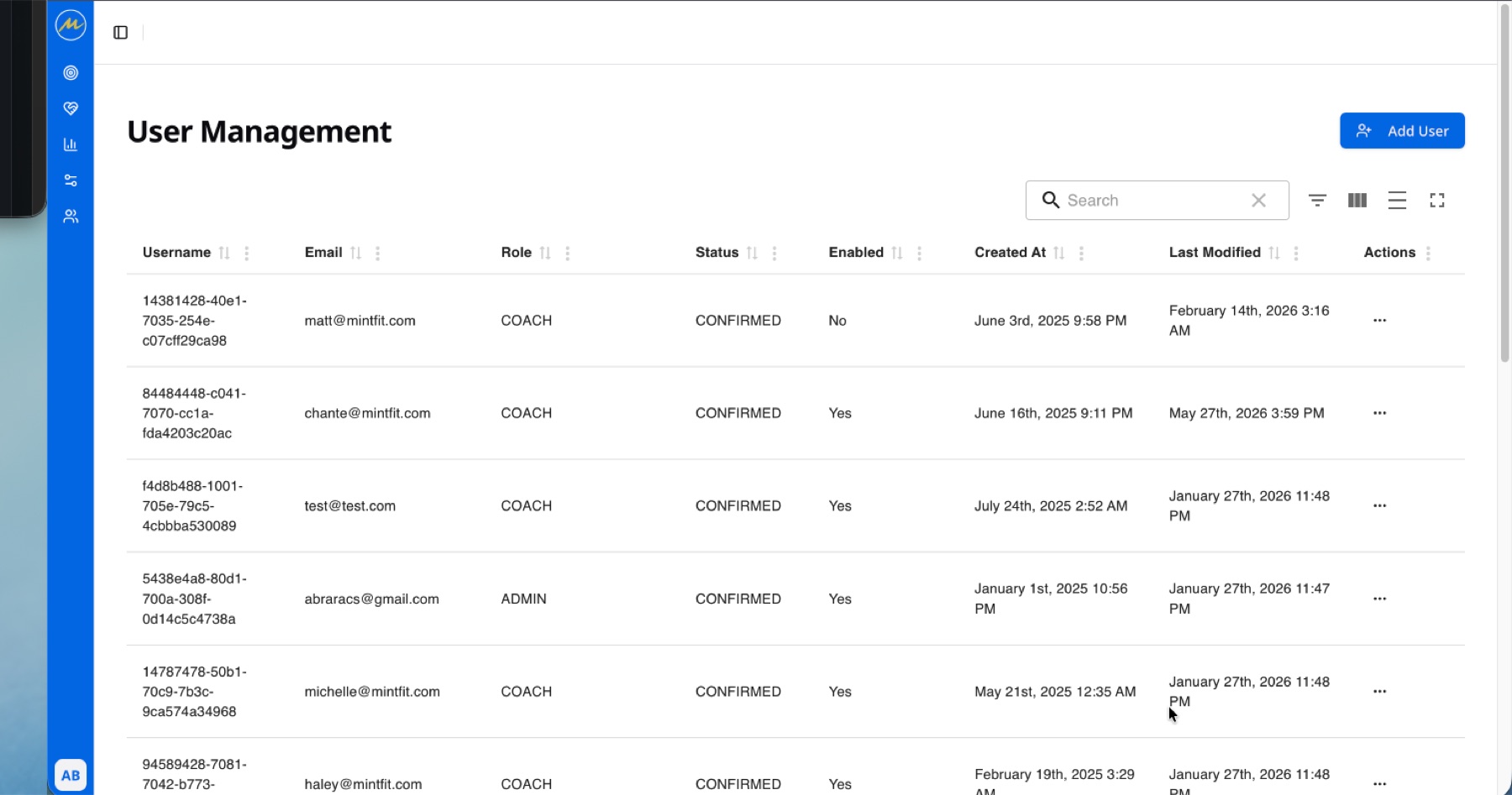
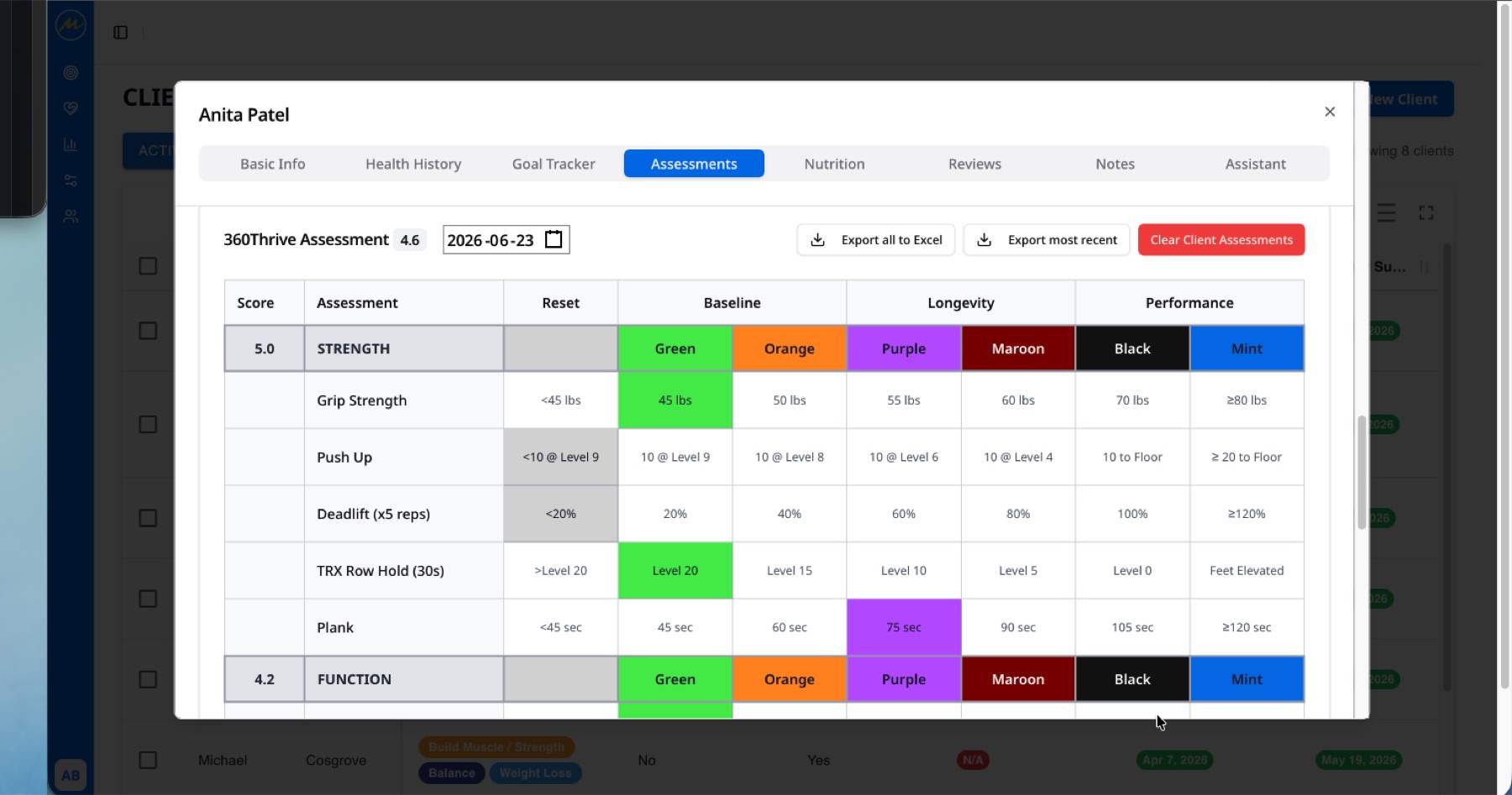
MintFit coaching workspace
The connected client record, assessment workflow, AI assistance, program generation, and coach review experience.
Architecture
Domain knowledge had to shape generation
The studio's methodology, exercise vocabulary, assessment schemas, and client history became first-class product data rather than one oversized prompt.
- 01
Constraint
Generic fitness terminology made correct plans expensive for coaches to translate.
Decision
Index the studio's methodology, exercise library, abbreviations, and long-to-short terminology mappings in the retrieval system.
Impact
Generated programs arrived in the language coaches already used in sessions.
- 02
Constraint
FMS, pain-clearance, body-composition, and metabolic tests had different fields and scoring logic.
Decision
Use versioned, schema-driven assessment definitions instead of forcing every protocol into one generic table.
Impact
New assessment types could be added without compromising the speed of in-session data entry.
- 03
Constraint
A client profile alone was too broad to ground trustworthy answers across a long coaching history.
Decision
Start each assistant thread with a structured summary, then retrieve the relevant assessments, notes, and programs for each question.
Impact
Coaches could ask client-specific questions without copying records into a separate chat or rebuilding context.
Outcome
A connected coaching workflow with AI in the right place
- Program creation fell from 30 to 60 minutes to under five minutes for a first draft.
- Assessment history became searchable, comparable, and directly connected to programming decisions.
- New coaches could query the studio's methodology instead of relying on generic online guidance.
- Health history, notes, images, assessments, programs, and AI context lived in one client record.
Domain language is product behaviour, not presentation. The AI became useful only after it learned the methodology and notation that shaped the coaches' real decisions.
Abrar
Start a project
Have specialist knowledge trapped in disconnected workflows?
I can help turn the domain model, operational data, and expert review process into an AI product people will actually use.
Discuss your AI product